
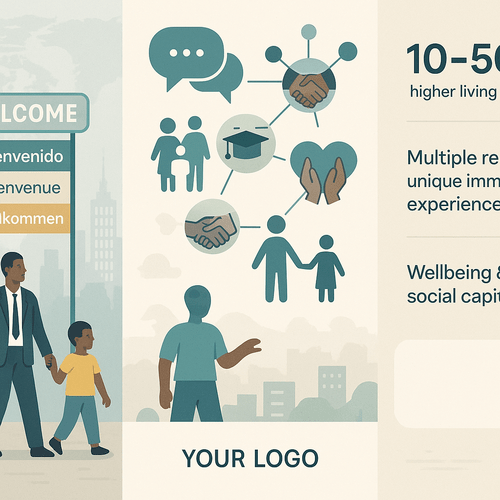
An expat life worth planning for
Introduction: why cultural immersion matters
For many English‑speaking African professionals and investors, expatriate living is about more than relocating; it’s an opportunity to deepen cultural understanding, broaden networks and enrich daily life. Cultural immersion — the steady engagement with a host country’s language, customs and community — is the practical mechanism by which expat life delivers those advantages. This briefing explains the lifestyle gains, realistic outcomes, regional differences and practical steps to make immersion meaningful, while acknowledging risks and uncertainty.
What is cultural immersion — and why it goes beyond tourism
Cultural immersion means engaging with a place at the level of everyday routines and social norms instead of remaining a transient visitor. That can include learning the local language, taking part in neighbourhood events, building friendships with locals and using public services. For professionals and investors, immersion accelerates practical benefits: smoother business interactions, better hiring and supplier relationships, and a deeper sense of belonging.
Evidence from integration studies shows that deeper engagement tends to correlate with stronger wellbeing outcomes and improved social networks; however, outcomes vary by individual and location (inconclusive on precise effect sizes).
Callout:
True immersion is deliberate: it requires time, humility and consistent effort — not just occasional cultural experiences.
Lifestyle advantages that matter to families and professionals
H3 — Health, work‑life balance and daily comfort
Many established expat destinations offer high‑quality healthcare, safer urban environments and public amenities that support a balanced lifestyle. For professionals relocating from busy African metropolises, hosts such as Spain, Portugal or parts of Western Europe often provide more extensive public services, predictable urban planning and leisure options that contribute to reduced stress and better work‑life balance. The scale of these benefits depends on location and personal habits and should be weighed against local costs of living.
H3 — Education and family wellbeing
Expat families commonly value access to international schools and bilingual education. For children, early exposure to new languages and educational approaches can deliver tangible advantages; for parents, access to quality schools and healthcare often underpins the decision to move. School fees and availability differ widely by country and city, so budget planning and local research are vital.
H3 — Social capital and professional networks
Immersion accelerates network formation: local contacts, mentors, clients and suppliers become accessible when you can communicate effectively and participate in community life. Investors find that cultural fluency smooths negotiations, shortens onboarding for local staff and opens doors to partnerships that remain closed to short‑term visitors. Again, results vary by industry and individual effort.
How to pursue meaningful immersion: practical steps
H3 — Learn the language (or enough of it)
Language remains the single most powerful tool for integration. Even modest progress — basic conversational competence — expands daily interactions and signals respect for local culture. Practical actions include regular language classes, conversation exchanges and committing to small daily tasks in the local tongue (shops, appointments, neighbourly chat).
H3 — Join local networks and volunteer
Engage with community organisations, professional chambers or volunteering projects. These settings offer structured opportunities to meet locals and demonstrate commitment to the place. Networking need not be transactional; many expats find that volunteering accelerates friendship formation more reliably than business events.
H3 — Adapt daily habits and public rituals
Attend local festivals, learn etiquette for social and business settings, and embrace local food and leisure routines. These practices deepen cultural competence and make public life more predictable and enjoyable.
Callout:
A small, consistent habit — weekly language practice, regular local volunteering — often yields outsized integration returns.
Regional variations: what to expect where you relocate
H3 — Southern Europe: lifestyle and social ease
Portugal, Spain and parts of Italy are often praised for approachable social cultures, strong healthcare and family‑friendly cities. English‑speaking African professionals commonly report accessible social life and straightforward public services in urban centres, though bureaucratic processes can be slow. Climate, food culture and community rituals also encourage outdoor socialising and gradual assimilation.
H3 — Northern and Western Europe: structure and services
Countries such as Germany, the Netherlands and Scandinavia offer robust public services, efficient infrastructure and high standards of living. Social norms may appear formal at first; purposeful local engagement — studying language, joining clubs — tends to unlock deep professional and personal networks. Cost of living is typically higher than in Southern Europe.
H3 — North America: diversity with regional nuance
Large cities in the US and Canada host diverse diasporas and abundant professional opportunities. Integration can be rapid in business contexts, though experiences vary significantly by city and community. Healthcare and education costs demand careful financial planning.
H3 — Middle East and Asia: rapid career gains, mixed social immersion
Regions such as the UAE or Singapore offer career and fiscal advantages, but social integration may be confined to cosmopolitan enclaves. Cultural norms and residency rules differ markedly; adaptation requires sensitivity and local guidance.
Inconclusive: precise wellbeing gains by region vary by study and depend on personal factors; treat regional descriptions as directional rather than definitive.
Risks and realistic expectations: culture shock, costs and legal complexity
H3 — Culture shock and emotional adjustment
Initial euphoria can turn into stress as cultural differences, bureaucracy and loneliness surface. Expect a transition period — often several months — during which language barriers and social norms test patience. Planning for support networks and professional advice helps shorten this phase.
H3 — Costs and lifestyle trade‑offs
Living standards differ: while some destinations offer cheaper public services, others impose high housing or schooling costs. Use conservative budgeting: plan for living costs that are 10–50% higher than in less expensive home cities, depending on location and household needs.
H3 — Legal, tax and residency challenges
Visa rules, tax residency and family rights are complex and variable. Misunderstanding residency obligations or tax liabilities can have material financial consequences. Seek professional immigration and tax advice early to align lifestyle goals with legal compliance.
Measuring success: realistic indicators of immersion and quality of life
H3 — Social integration metrics
Track progress through practical markers: ability to conduct routine tasks in the local language, number of local friends, participation in community events, and stability in housing and schooling. These indicators reflect growing cultural competence more reliably than subjective feelings alone.
H3 — Economic and wellbeing indicators
Observe career momentum, local business relationships, health outcomes and family wellbeing. For some, improved work‑life balance and slower pace of life are the primary wins; for others, access to new markets and education matter most. Outcomes will vary, and there are no guarantees.
Conclusion: plan immersion with intent and support
Cultural immersion is one of the most tangible lifestyle advantages expatriate living can offer African professionals and investors. It delivers personal growth, stronger networks and potential business advantages—but only when pursued deliberately and with realistic expectations about costs and adjustment.
If you are considering an expat move and want to plan for real immersion — language pathways, local integration strategies and compliance with residency and tax rules — Siyah Agents provides tailored advisory to help you map a practical route, manage legal complexity and accelerate meaningful cultural engagement.
Ready to explore a life rich in new experiences and local connection? Contact Siyah Agents for a confidential, personalised expat readiness review and next steps.

 Siyah Agents Blog