
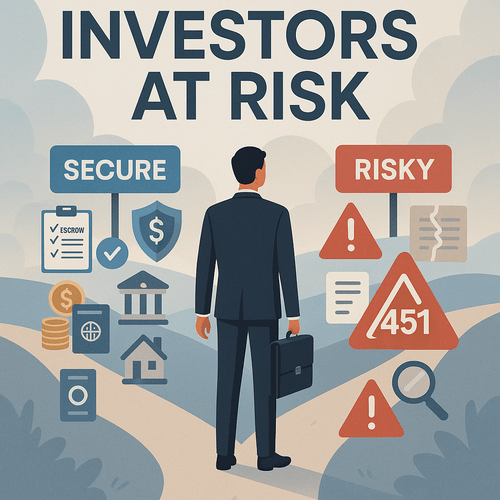
451 investors at risk — a measured briefing
Introduction: why this episode matters
When Turkish authorities annulled the citizenship of 451 investors in 2024, the story landed as a sharp reminder: investment immigration carries regulatory and reputational hazards as well as opportunity. For English‑speaking African business leaders and entrepreneurs, the episode underlines three truths—due diligence is paramount, agent selection matters, and regulatory regimes can change without long notice. This briefing unpacks verified events, official responses, investor impact and practical steps to manage risk.
Internal summary: understand the facts, verify every document, use compliance‑focused advisers, and keep contingency plans ready.
Background: Turkey’s CBI programme and why it attracted investors
H3 — What the Turkish CBI offered
Turkey’s Citizenship by Investment (CBI) scheme, revised in 2017, allowed qualifying investors to obtain Turkish nationality through defined investments—common routes included minimum real‑estate purchases and specified capital deposits. The programme’s appeal lay in comparatively rapid processing and family inclusion, drawing entrepreneurs seeking mobility and commercial links across Europe, Asia and Africa (Turkish Directorate General of Population and Citizenship).
H3 — Why African investors participated
African business owners and high‑net‑worth individuals increasingly viewed Turkey as a strategic base for trade and travel. Media coverage and official statistics reported notable uptake by investors from several African countries (Anadolu Agency). Investors cited reasons such as family inclusion, business opportunities and faster processing versus many EU options.
Internal summary: Turkey’s CBI combined speed and commercial geography, making it attractive—particularly where speed and family coverage mattered.
The scandal: what authorities say happened
H3 — Official findings and actions
In early 2024 Turkish authorities announced the annulment of Turkish citizenships issued to 451 individuals after audits revealed irregularities in some CBI cases. The Turkish Interior Ministry pointed to documentary and valuation irregularities—notably property valuations that allegedly had been misrepresented to meet investment thresholds (Turkish Interior Ministry statement). International reporting summarised the sequence (Reuters, BBC).
H3 — Public timeline (verified reporting)
- Late 2023: Internal audits flag patterns of concern in selected CBI files (reported by Turkish agencies).
- January–March 2024: Ministries and registries escalate inquiries; investigations launched into property documentation and appraisal practices (Reuters).
- March 2024: Authorities announce annulments affecting 451 investors and begin legal and administrative follow‑up (BBC; Anadolu Agency).
Inconclusive: precise breakdowns of nationalities, the number of cases involving bad advice versus deliberate fraud, and final court determinations remain subject to ongoing legal processes and are not fully public at time of writing (court records and ministry releases).
Internal summary: the government cites documentary irregularities; many affected investors have since pursued legal appeals.
Legal and regulatory responses: tightening oversight
H3 — Office actions and audits
Authorities mobilised cross‑agency reviews—linking interior ministry teams with property registries and audit units—to validate transactions and vet valuations. Official statements emphasised documentary irregularities rather than blanket accusations of criminal intent (Turkish Directorate General of Population and Citizenship; Interior Ministry). Reuters and Anadolu Agency provided contemporaneous reporting on the audits and subsequent administrative cancellations.
H3 — Court appeals and uncertainty
Affected investors filed legal challenges seeking reinstatement; Turkish courts are examining individual records and the legitimacy of annulments. Legal analysts note outcomes hinge on proving bona fide investment and the integrity of appraisal documentation. Outcomes will vary case by case; some annulments may be reversed if evidence proves compliance, while others may be upheld where misconduct is established (BBC reporting).
Internal summary: government action is firm; judicial review is underway with mixed prospective outcomes.
Investor impact: financial, legal and reputational costs
H3 — Direct financial exposure
Investors face a layered cost profile. Beyond the original investment (property purchase or capital deposit), annulment can trigger losses in resale value, legal costs, and the inability to easily repatriate funds while legal disputes continue. Reuters reported investors confronting litigation costs and uncertainty about recovering capital.
H3 — Reputational and business consequences
Loss of citizenship can affect visa status, business licences and banking relationships. For entrepreneurs with cross‑border ventures, reputational harm can disrupt partnerships and access to finance. These wider costs—hard to quantify precisely—are often the most damaging for active business leaders.
Internal summary: annulment threatens capital, mobility and commercial standing; the ripple effects can be severe and protracted.
Root causes: where things appear to have gone wrong (verified concerns)
H3 — Weak appraisal and document controls
Reporting identifies inflated property valuations and questionable supporting documents as central triggers. Where appraisals are not independently verified or where registries accept papers without cross‑validation, the system becomes vulnerable to manipulation. Turkish agencies cited such documentary gaps in official notices (Interior Ministry statement).
H3 — Advisory chain and agent conduct
Many affected investors relied on intermediaries—real estate agents, local advisers and migration brokers—to structure transactions. Some reporting indicates that intermediaries supplied documentation that later failed scrutiny; whether this reflected negligence or deliberate misrepresentation varies by case and remains the subject of legal review (Anadolu Agency; Reuters). It is therefore inappropriate to assert culpability for all intermediaries—some investors may have been misled.
H3 — Regulatory appetite to correct market practices
The swift annulments also reflect a regulatory decision to restore public confidence and deter malpractice. Authorities appear intent on signalling that CBI outcomes will not be immune from retrospective review, a stance highlighted in official ministry communications.
Internal summary: weak verification, intermediary failures and regulatory tightening combined to generate systemic risk.
Practical lessons for African business leaders and entrepreneurs
H3 — Prioritise independent verification
Demand third‑party, government‑registered valuations and insist on escrowed transactions. Independent appraisal and secure payment structures materially lower exposure to later contestation.
H3 — Vet advisers thoroughly and insist on compliance transparency
Use advisers who publish licensing, carry professional indemnity insurance and provide verifiable client references. Confirm advisers’ credentials with regulatory bodies and local registries before transfer of funds.
H3 — Maintain documentary discipline and contingency plans
Retain original transaction records, bank transfer receipts, property deeds and appraisal reports. Prepare contingency plans—legal counsel, exit strategies and liquidity buffers—if regulatory review arises.
Callout — Investor checklist:
- Get independent appraisals from registered valuers
- Use escrow accounts and staged payments
- Verify adviser licences and request references
- Keep full documentary trails and professional translations
Internal summary: rigorous verification, secure payment structures and documentary discipline are non‑negotiable.
Why compliance‑led advisers matter: Siyah Agents’ approach contrasted with shady practice
H3 — What compliance looks like in practice
A compliance‑focused adviser validates every step: independent valuation, audited proof‑of‑funds, escrowed transfers, and pre‑submission document audits. These measures increase upfront cost and time but materially reduce downstream risk. Siyah Agents emphasise a transparent, audit‑ready process in line with regulatory expectations.
H3 — Practical differentiators to request from advisers
- Written confirmation of independent valuations and valuer registration
- Evidence of professional indemnity and defined refund/escrow arrangements
- Documented client complaint procedures and past audit readiness
Internal summary: insist on audit‑grade processes and documented safeguards when selecting advisers.
Navigating the immediate next steps: what investors should do now
H3 — If you are already involved in Turkey CBI
- Seek qualified Turkish legal counsel immediately and prepare to produce full documentary evidence.
- Engage independent valuation experts to reassess the qualifying investment.
- Avoid public statements; manage communications through counsel to protect legal positions.
H3 — If you are considering Turkey or any CBI programme
- Start with a rigorous eligibility assessment and a compliance checklist. Begin with an expert review such as https://siyahagent.com/assessment to identify exposure and fit.
- Review alternative routes and diversification strategies—residency options and other jurisdictions—to avoid concentration risk.
Internal summary: immediate legal and valuation reviews are essential if you face scrutiny; prospective investors should begin with a formal assessment.
Internal summary: key takeaways for leaders and entrepreneurs
-
The Turkey CBI annulments expose vulnerabilities where appraisals, documentation and intermediary conduct are weak.
-
Legal outcomes vary: some investors may succeed in appeals; others may not. Evidence is case‑specific and evolving (inconclusive on final numbers).
-
Mitigation is practical: independent valuations, escrowed funds and compliance‑first advisers markedly reduce risk.
Conclusion: cautious pragmatism wins the day
The 451 annulments are a stark reminder: investment immigration is not merely transactional. It sits at the intersection of property markets, immigration law and professional conduct. For African business leaders, the right mindset is pragmatic: pursue mobility as strategy, not as a promise. Begin with strong due diligence, insist on audit‑grade processes and seek advisers who place compliance ahead of convenience. Siyah Agents offers structured eligibility reviews and compliance‑centred project management to help investors navigate this terrain with care—start with an assessment at https://siyahagent.com/assessment and review programme options at https://siyahagent.com/programs?utm_source=marc&utm_medium=blog&utm_campaign=451-investors-at-risk-what-went-wrong-turkey-cbi-scandal
Sources: Turkish Interior Ministry statements; Turkish Directorate General of Population and Citizenship reports; Reuters, BBC, Anadolu Agency reporting; Siyah Agents internal advisory briefings.

 Siyah Agents Blog